Source Eco Friendly Soft Drink Coaster for Home, Office, and Cafe
Source eco friendly soft drink coaster options from 30 verified listings. Compare features like PVC and PP materials, custom printing, and antiskid designs for home, office, and restaurant use; compare the available evidence and request quotations based on your requirements.
Key considerations
Products List



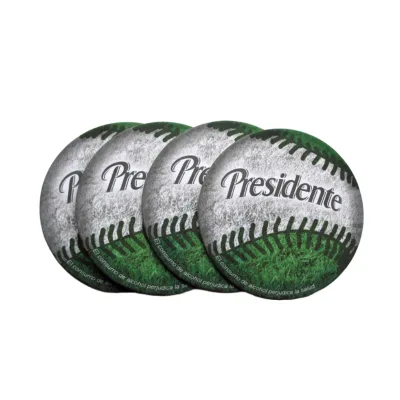
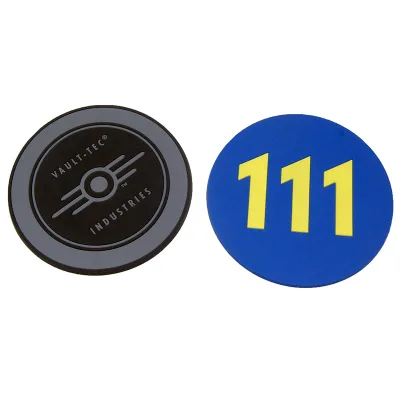
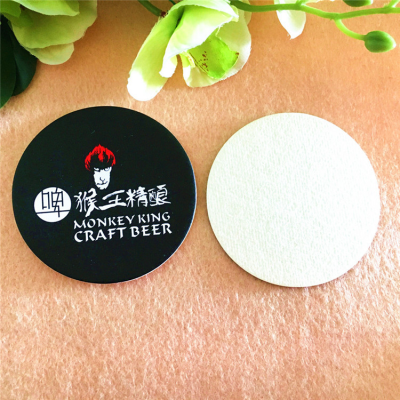
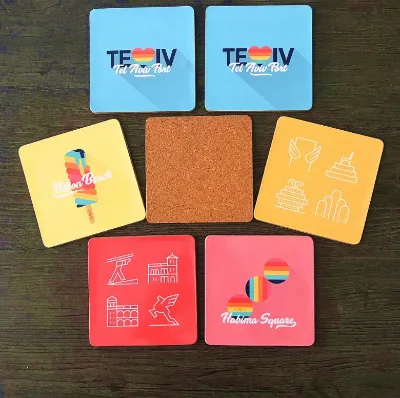


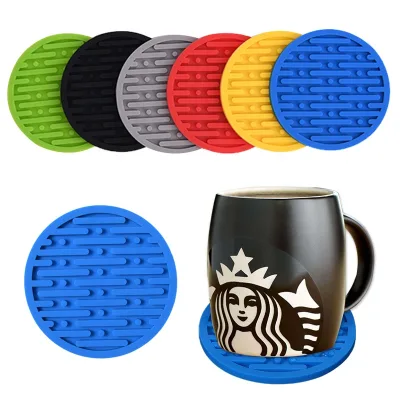


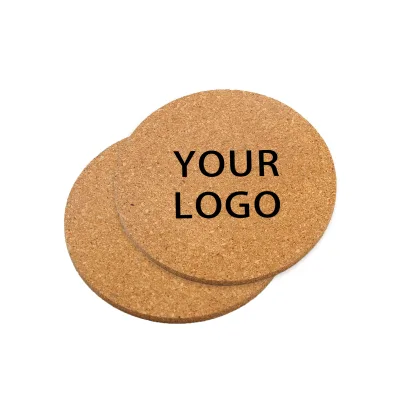
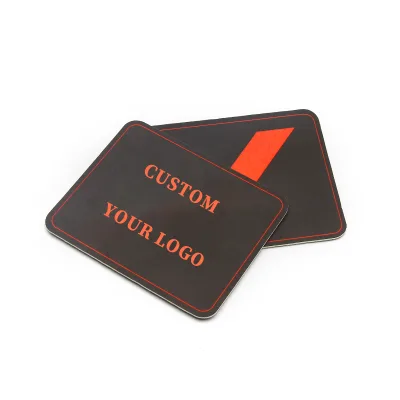

Comprehensive Sourcing Guide
Eco Friendly Soft Drink Coaster Sourcing Guide
Procurement teams must first distinguish between traditional plastic coasters and those marketed as eco-friendly, as the supplied data reveals a mix of PVC and PP materials rather than biodegradable options. While the product list includes items labeled with "Soft PVC" and "PP," buyers should verify if these materials are recycled or if the "eco-friendly" claim refers to durability and reusability rather than end-of-life disposal. The presence of "Non-Disposable" attributes suggests a focus on long-term use, which reduces waste volume, but this does not automatically equate to sustainable material sourcing without further supplier confirmation.
Buyers should also scrutinize the "Customized" and "OEM" capabilities to ensure that branding efforts do not compromise environmental goals through excessive packaging or non-recyclable inks. The observed listing signals indicate a strong focus on customization, including "Costomized" logos and "Multicolor" designs, which often require specific printing processes like "Offset Printing" or "Injection" molding. Sourcing strategies must balance the desire for unique, printed designs with the need to minimize the environmental footprint of the production process and the final product lifecycle.
Product Scope and Observed Listing Signals
The current market signals indicate a diverse range of coaster specifications, with observed diameters ranging from 90mm to fully customized dimensions, catering to various cup sizes and aesthetic preferences. The product attributes highlight a "Simple" and "Fashion" style spectrum, often featuring "Printed" designs and "Antiskid" characteristics to ensure stability on tables. Buyers should note that while some items are explicitly designed for "Children," others target "Home, Office, Restaurant, and Cafe" environments, requiring different durability and safety profiles for each application sector.
Commercial signals reveal a wide MOQ range from 3 to 5000 units, with specific listings showing a 100-piece minimum for custom orders, allowing flexibility for both small promotional campaigns and large-scale corporate procurement. The "Each Packed in a Polybag" and "Carton" packing methods suggest varying levels of protection and bulk efficiency, which directly impact shipping costs and storage requirements. Procurement teams must align their order volume with the supplier's capacity to handle "Injection" processes and "Sample Time" of 7-12 days to ensure timely delivery for seasonal or event-driven needs.
Technical Specifications to Verify
Technical verification must begin with material composition, as the data lists both "PVC" and "PP" types, which have distinct chemical and physical properties affecting safety and recyclability. Buyers should confirm the specific "Plastic Type" for each order, ensuring that the chosen material meets the intended usage environment, such as "Acid-Resistant" properties for restaurant settings or "Antiskid" features for high-traffic areas. The "Thickness" of 2.0mm is observed in some listings, but since other items are "custom," verifying the exact gauge is critical for durability and stackability.
Dimensional consistency is another vital technical parameter, with observed diameters of 90mm alongside fully "Customized" options that may require precise tooling. The "Shape" is predominantly "Round," but the ability to produce "Custom shape" items requires careful review of the supplier's "Injection" molding capabilities and tolerance levels. Additionally, the "Design" is noted as "2D at One Side," which limits branding opportunities compared to full-wrap options; buyers must confirm if the supplier can accommodate more complex design requirements without compromising the structural integrity of the coaster.
Compliance and Safety Documentation
Safety compliance is paramount, especially given the "Children" age category and the "Home, Office, Restaurant" usage contexts, where food contact safety is a primary concern. The supplied facts mention "QS" and "FDA" certifications, which are essential for verifying that the materials are safe for incidental food contact and meet regulatory standards in key markets. Buyers must request current certification documents to ensure that the "PVC" or "PP" materials used do not contain harmful phthalates or heavy metals, particularly for products intended for children or frequent food service use.
Beyond material safety, documentation regarding the "Standard" of production is necessary, as the data indicates "customized" standards rather than a single universal norm. Procurement teams should verify that the supplier adheres to specific industry standards for plastic products, including flammability and chemical resistance tests, to prevent liability issues in commercial settings. The "OEM" nature of the supply chain means that the buyer's brand reputation is tied to the supplier's adherence to these safety protocols, making rigorous document review a non-negotiable step in the sourcing process.
Cost Drivers and Commercial Terms
Cost structures are heavily influenced by the level of customization, with "Customized" logos and "Multicolor" designs often requiring additional setup fees and longer production runs. The "Sample Time" of 7-12 days and "Production Time" of 12-18 days indicate that lead times are a significant cost driver, as expedited orders may incur premium charges or require higher minimum order quantities to justify tooling costs. Buyers should analyze the trade-off between unit price and order volume, noting that the observed price range of 0.05 to 1.2 USD varies significantly based on material type, thickness, and printing complexity.
Commercial terms are defined by "EXW-Factory" conditions, placing the responsibility for logistics and insurance on the buyer from the point of origin in Zhejiang, China. This term structure requires procurement teams to have robust freight forwarding capabilities to manage the "10 oz" capacity and varying weights of the cartons and polybags efficiently. Understanding the "MOQ" of 100 pieces for custom orders is crucial for budgeting, as smaller quantities may result in higher per-unit costs that erode the margin benefits of direct factory supply.
Supplier Qualification and Quality Control
Supplier qualification should prioritize factories with direct "Injection" molding capabilities, as this process ensures consistent quality and dimensional accuracy for "Round" and "Custom shape" coasters. The "Factory Direct Supply" model suggests a potential for better pricing and communication, but buyers must verify the supplier's capacity to handle "OEM" requests without compromising on quality control measures. It is essential to confirm that the supplier has a dedicated quality assurance team to inspect "Antiskid" properties and "Acid-Resistant" performance before shipment.
Quality control protocols must include random sampling of "Multicolor" and "Printed" items to ensure color consistency and logo clarity, as "Offset Printing" can vary between batches. Buyers should establish clear acceptance criteria for defects such as uneven edges, poor adhesion of printed logos, or structural weaknesses in the "2.0mm" thickness. Given the "Customized" nature of the products, a pre-production sample approval process is mandatory to validate that the final output matches the "Customer Design Logo" and "2D at One Side" specifications before full-scale production begins.
Long-Term Procurement Checks
Long-term procurement success relies on establishing a stable supply chain that can consistently deliver "Non-Disposable" products with reliable "Antiskid" and "Acid-Resistant" performance over time. Buyers should conduct periodic audits to ensure that the supplier maintains the "QS" and "FDA" certifications and continues to use the specified "PVC" or "PP" materials without substitution. Regular quality checks on the "Each Packed in a Polybag" and "Carton" packaging are necessary to prevent damage during transit and maintain the product's aesthetic appeal for "Business Gift" and "Home Decoration" uses.
Strategic partnerships should also focus on the supplier's ability to adapt to changing market demands, such as new "Customized" designs or evolving environmental regulations. Monitoring the "Production Time" and "Sample Time" trends can help identify potential bottlenecks or efficiency improvements in the manufacturing process. By maintaining open communication and setting clear performance metrics, buyers can ensure that the "Eco Friendly Soft Drink Coaster" supply remains competitive, reliable, and aligned with their brand's long-term sustainability and quality goals.
FAQs
What materials are used for these coasters?
The coasters are manufactured from durable PVC and PP plastic materials. These options provide excellent acid resistance and antiskid characteristics. The material choice ensures longevity for home, office, or restaurant use while maintaining a simple yet fashionable style suitable for various environments.
Can I customize the logo and design?
Yes, customization is available for both logo and design elements. You can provide a 2D design for one side, and the factory supports OEM services. The logo printing can be customized according to your specific requirements, allowing for unique branding on each piece.
What are the sample and production lead times?
The sample time typically ranges from 7 to 12 days. Once the order is confirmed, the production time is approximately 12 to 18 days. These timelines allow for adequate quality checks and manufacturing processes to ensure the final product meets your specific customization needs.
What certifications do the products hold?
The products hold QS and FDA certifications. These certifications indicate that the materials and manufacturing processes meet specific safety and quality standards. This makes the coasters suitable for food and beverage contact, ensuring safety for consumers in various settings like cafes and restaurants.
What is the minimum order quantity required?
The minimum order quantity varies, with observed values starting from 3 pieces up to 5000 pieces. Specific listings may indicate an MOQ of 100 pieces. Buyers should confirm the exact MOQ with the supplier based on their customization requirements and order volume.
How are the coasters packaged for shipment?
Each coaster is individually packed in a polybag. For bulk shipments, 100 pieces are typically packed into a big bag, which is then placed in a carton. This packaging method protects the items during transit and ensures they arrive in good condition for distribution.